







Search Results for: Starbucks Non-Coffee Drinks
First Time at Starbucks: How to Choose? A Guide to Ordering Ten Popular Coffee Drinks and Flavor Analysis
Walking into Starbucks for the first time, it's only natural to feel a bit overwhelmed by the dense, crowded menu. In fact, drinking coffee is meant to be a relaxed, everyday affair—there's no need to get too nervous. Just choose according to your own taste preferences. This article divides Starbucks' popular drinks into two main categories: those with coffee and those without, introducing one by one the flavor characteristics of the coffee series—Americano, Latte, Flat White, Caramel Macchiato, Vanilla Sweet Cream Cold Brew, and more—as well as pairing ideas for the non-coffee series, including Black Tea Latte, Matcha Latte, Iced Shaken Fruit Tea, and Frappuccino. Whether you want to wake up and refresh your mind, control calories, or simply prefer milky or fruity flavors, you'll be able to find the cup that suits you in this list and easily avoid the pitfalls of ordering. [more…]
Starbucks Frappuccino Full Series Roundup: Ten Classic Flavors and Recommended Low-Calorie Secret Hacks
Walking into Starbucks on a hot summer day doesn't mean you have to choose hot coffee—the slushy-textured Frappuccino is just as good a way to cool down. Starbucks currently offers ten regular Frappuccinos, covering both coffee and non-coffee categories, with the matcha series ranking as a classic. If you prefer coffee flavors, the Caramel Coffee Frappuccino and Espresso Frappuccino deliver different intensities of coffee experience. What's more, by adding or removing ingredients or swapping syrups, you can customize your own personal flavor. The Mango Passion Fruit Frappuccino, once discontinued, remains the low-calorie favorite in the minds of many longtime customers thanks to its lack of whipped cream and lower sugar content. This article goes through the characteristics of each Frappuccino one by one, while keeping Front Street Coffee's related recommendations, to help you find the cup that suits you best. [more…]
Starbucks China Sale Enters Final Stage, Sequoia China / Boyu Capital and Other Institutions Shortlisted
On September 11, it was reported that Starbucks has shortlisted Boyu Capital, Carlyle Group, EQT, and Sequoia China as the final candidates for the sale of its Chinese business. The acquisition is now in the final round of negotiations, with the resu [more…]
The Truth About Starbucks Rank Promotion and Compensation: A Complete Analysis of the Operations System from Barista to District Manager
Is Starbucks' pay really low? Is the promotion path truly so long? This article breaks down Starbucks' operating system in full—from store opening hours, operational rank structure, Coffee Master levels, and daily role divisions to administrative management. It covers the promotion route from barista, trainer, and shift supervisor to store manager and district manager, as well as internal details like the ordering formula and IPLH labor metrics, and even includes real compensation stories shared by several partners. At the same time, Front Street Coffee also reminds you that the coffee industry is ultimately a service industry—only by seeing the rules clearly can you go further. [more…]

Visiting the first Blue Bottle Coffee shop in Shanghai: Queues and a minimalist menu in a century-old mansion
Blue Bottle Coffee's first Shanghai store recently officially opened by the Suzhou Creek in Jing'an District, housed in a historic building originally built in 1926—the former senior staff dormitory of the Yutong Flour Mill. On opening day, long lines formed outside the store, with some customers waiting up to 7 hours to get in. This chain brand, known for pour-over coffee and its preference for renovating old buildings, offers a relatively concise menu featuring rare items such as Gibraltar, filtered café au lait, and New Orleans-style iced coffee. The first floor of the store has a modern style, while the second floor has a vintage style, and displays a 60-year-old FAEMA espresso machine. This article takes you on a virtual visit to this highly anticipated new coffee shop. [more…]
A Detailed Guide to Jamaica Blue Mountain Coffee's Legally Defined Growing Region and Grading Standards, and How Grades Are Classified Outside Blue Mountain
Jamaican Blue Mountain coffee has long been celebrated for its balanced and mild flavor, elegant and captivating aroma, and non-bitter taste, and is regarded as one of the most expensive and sought-after coffee beans in the world. However, exactly what kind of beans qualify to bear the name "Blue Mountain"? And how should Jamaican coffee produced outside the legally designated Blue Mountain growing region be graded? This article will provide a detailed overview of the legal production area of Jamaican Blue Mountain coffee, the specific grading requirements for Blue Mountain beans and Jamaican High Mountain beans in terms of bean size, appearance, and defect rate, while also explaining easily confused concepts such as Blue Mountain Blend and Blue Mountain Flavor, and introducing product information related to Front Street Coffee's Jamaican Blue Mountain Mavis Bank washed processing facility. [more…]
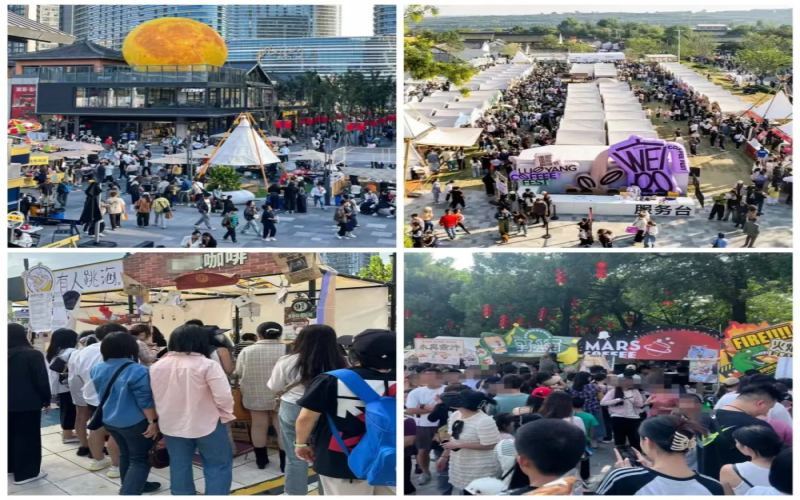
Sober Reflections Amid the Coffee Festival Boom: Signature Drinks Dominate, Prices Stay High, Experiences Vary—Why Are Enthusiasts Growing More Disappointed?
During the National Day holiday, coffee festivals popped up simultaneously in Guangzhou, Shenzhen, Luoyang and many other places, drawing huge crowds, with guides and check-in photos flooding social media. Yet behind the buzz, regulars' complaints are piling up: specialty drinks dominate the lineup, the coffee tastes weak yet costs as much as thirty or forty yuan a cup, coupons come with endless restrictions, on-site management is chaotic, stalls offer a jumble of categories, and there are even cases of pre-made pour-over and improper handling. The coffee festival, once founded to promote coffee culture and bring like-minded people together, has in many people's eyes become a temporary market heavy with commercial flavor. This article, drawing on feedback from participants, sorts through the major pain points of today's coffee festivals and explores what coffee events enthusiasts hope to see. [more…]
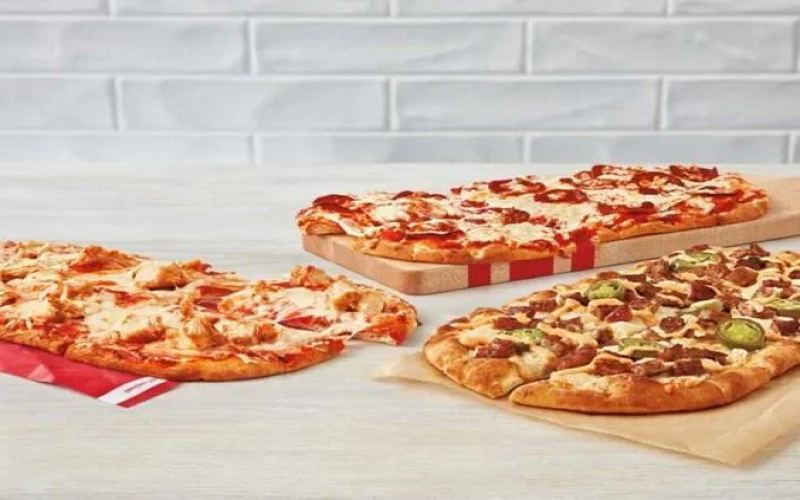
Tims' Cross-Industry Pizza Launch Sparks Debate: Coffee and Donut Brand Accelerates Expansion into Lunch and Dinner Market
Tim Hortons, known for coffee and donuts, recently launched pizza products for a limited time at select locations in the Greater Toronto Area in Canada, sparking widespread discussion online. This move is seen as an important step for Tims to test the lunch and dinner market, and also marks the brand's gradual departure from its traditional coffee and dining positioning. Previously, Tims had successively added non-coffee products such as burgers, hot dogs, and milkshakes, and the launch of pizza this time has surprised many consumers. Some netizens expressed support, saying the new products taste good; others questioned whether the brand is experiencing an "identity crisis," and even joked that the "back to basics" plan has been forgotten. Executives of Tims' parent company have pointed out that afternoon meal offerings contain huge opportunities, and the pizza test is a continuation of this strategy. [more…]
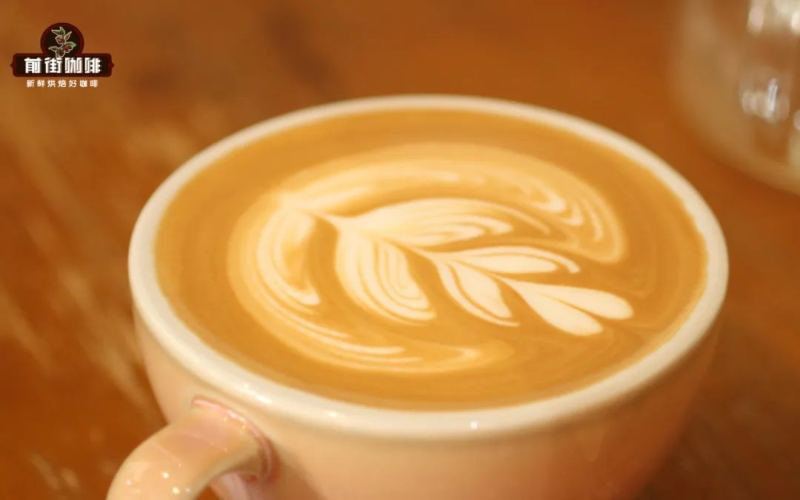
What milk to use for coffee | What milk to use for latte art with zero basics Italian latte art steps, techniques, pictures, video tutorial
Whether coffee is good or not can only be known once you taste it; but black coffee is at most just a cup of dark, unidentified liquid, so how can it entice people who don't drink coffee to want to try it? Let's not consider anything else, and focus only on what can be done with the coffee itself. Among milk coffees with added milk, latte art may be the first thing in all coffee drinks to capture [more…]
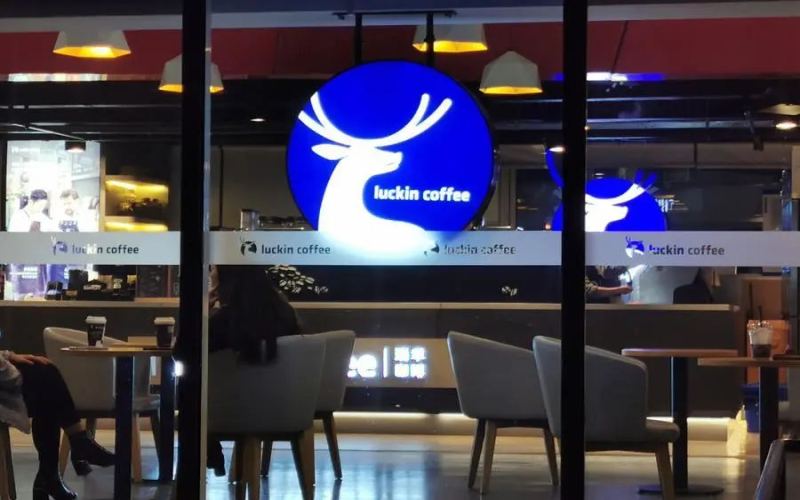
Will Luckin Coffee Lose Money by Opening Franchises in 2023? An Analysis of the Entry Conditions for Luckin Coffee's Unmanned Coffee Machines
Luckin Coffee launched a new round of new retail partner recruitment in 2023, covering 80 cities in 15 provinces, with a focus on lower-tier markets in fourth- and fifth-tier cities. As of the end of September 2022, Luckin had a total of 7,846 stores, including 2,473 joint-venture stores. First- and second-tier cities accounted for more than 70%, while coverage in lower-tier cities remained sparse. At the same time, Luckin's RJG unmanned coffee machines performed well in shopping malls, hospitals, office buildings, and other locations, offering large-sized drinks to the same standard as stores 24 hours a day. This article will review Luckin's franchise strategy, the opportunities and challenges of lower-tier markets, and the layout logic of RJG, while also retaining relevant recommendations from Front Street Coffee, to help coffee lovers gain a comprehensive understanding of Luckin's expansion moves. [more…]
The Pricing Dilemma of Small Coffee Shops Under the 9.9-Yuan Price War: The Way to Balance Low-Cost Operations and Quality
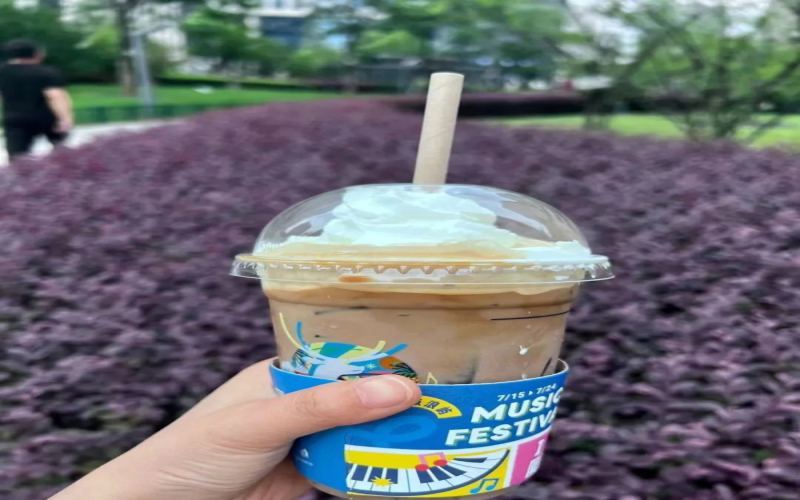
The price war between Luckin and Cotti has made 9.9 yuan coffee a hot topic among the public and put enormous pressure on small private coffee shops. Yet one 9.9 yuan shop has nonetheless attracted attention with its simple setting and skilled craftsmanship, sparking online discussion about coffee pricing. Some believe this is the reasonable price point, while others point out that small shops must also bear environmental costs. Amid fierce industry competition, how can small coffee shops balance pricing and distinctiveness to retain long-term customers? Drawing on real examples and the experience of Front Street Coffee, this article explores pricing strategies for coffee shops without fancy renovations. [more…]
How to Brew Delicious Americano? A Full Guide to Espresso-to-Water Ratios and Italian-Style Coffee Making
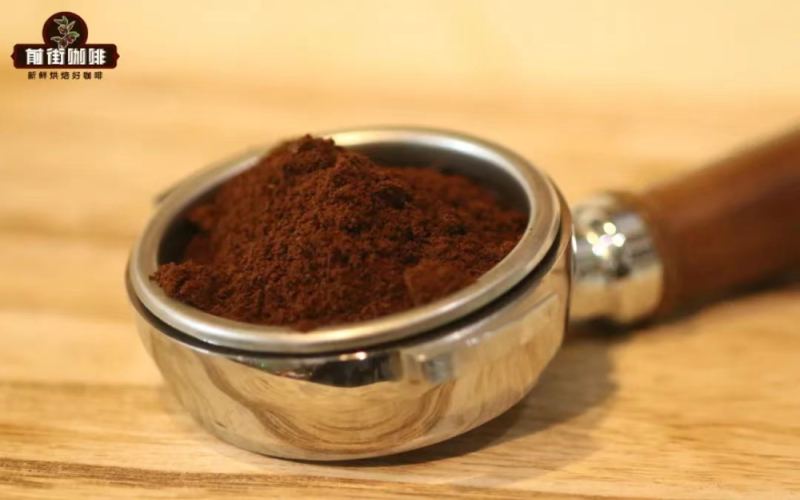
When ordering at a café, Americano is often the cup that solves your decision paralysis—yet plenty of coffee newcomers are put off by the bitterness at first sip. In fact, whether an Americano tastes good depends heavily on which beans are used for the espresso, the espresso machine's extraction parameters, and the ratio of water to coffee. Drawing on the production experience of Front Street Coffee, this article clarifies the relationship between Americano and espresso, how to choose espresso beans suitable for Americanos, extraction parameters for single and double shots, how to determine the water-to-coffee ratio, and the methods and taste differences between hot and iced Americanos. At the end, there's also a little bonus on Americano latte art and practical tips, so you can make a smooth, easy-drinking Americano at home or in a café. [more…]
Starbucks' Tea Beverage Journey: From Teavana Stores to Market Exploration with Starbucks Tea & Cafe in Japan
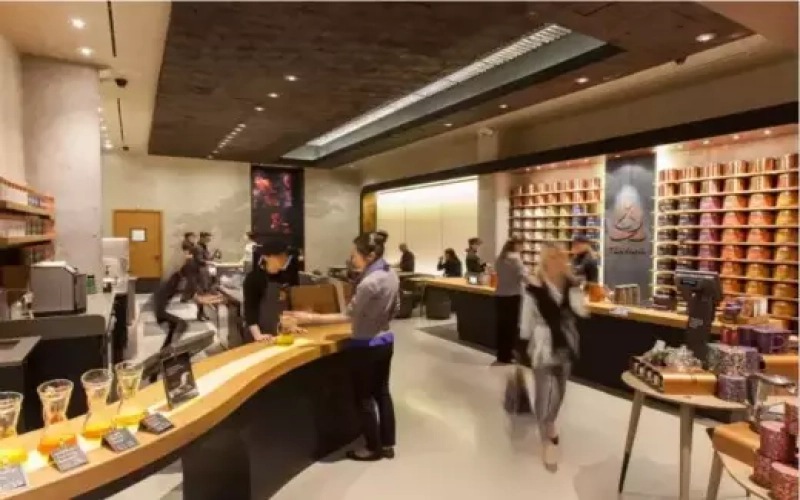
Since Starbucks acquired Teavana, a tea company, in 2012, it has continuously explored the possibilities of the tea beverage business in North American and Asian markets. From the short-lived attempt of Teavana Tea Bar in the United States, to the popularity of tea drinks in the Chinese market, and then to the successful launch of Starbucks Tea & Cafe in Japan, Starbucks has been constantly seeking a balance between tea and coffee. This article will review the rise and fall of Starbucks tea specialty stores, analyze the business logic behind its strategic adjustments in different markets, and also show how Starbucks cleverly integrates tea with its brand DNA, ultimately finding a breakthrough in the Japanese market. [more…]
Starbucks Summer Menu Launches Raspberry Popping Pearls, Three Berry Iced Drinks Add Texture Toppings for the First Time
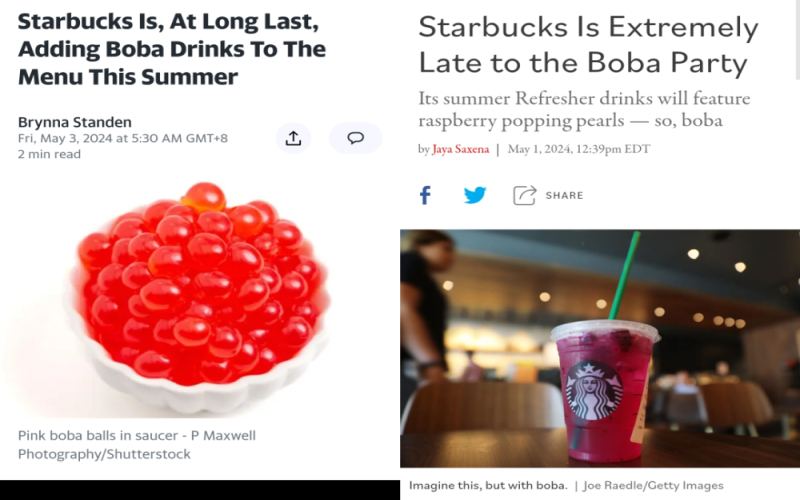
Starbucks is introducing a texture-focused topping—raspberry bursting pearls—for the first time in its summer menu this year, adding them to three berry-flavored Refreshers iced drinks. This attempt was personally previewed by CEO Laxman Narasimhan at an earnings conference and is positioned as the first step in texture innovation for the years to come. Unlike traditional tapioca pearls, Starbucks is using popping boba that burst when bitten, officially called Pearls. Customers can also pay to add the pearls to other drinks and snacks, at $1.25 per scoop. In fact, as early as 2021, Starbucks tested coffee popping boba in two stores, but the response was limited. This article sorts out the formula details of the new products, the pricing rules, and Starbucks' historical attempts at pearl toppings. [more…]
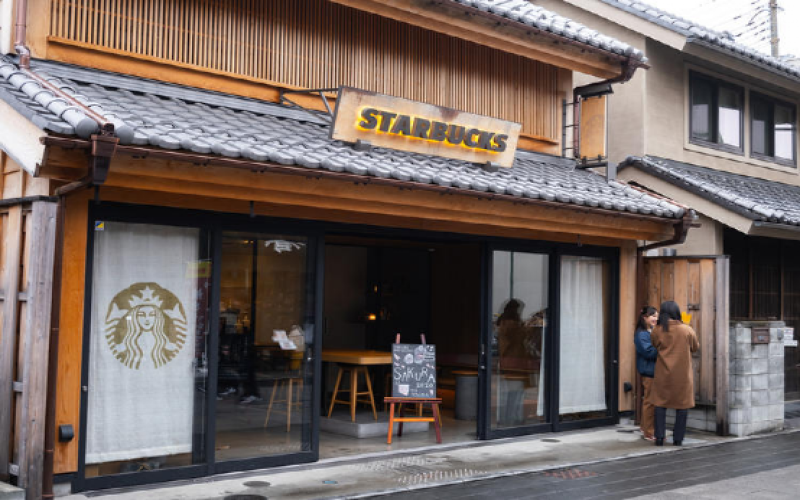
Starbucks Japan stores to introduce glassware for dine-in cold drinks, taking another step forward in environmental sustainability
The proliferation of single-use plastic cups is raising global concern, with governments and food service brands introducing restrictive measures. Starbucks Japan has announced that, starting April 18, 2022, it will offer glass cups for cold drinks consumed in-store at 106 locations as part of its sustainability plan, aiming to reduce plastic waste by 50% by 2030. This move follows in the environmental footsteps of Starbucks in the US and South Korea, but the hygiene and convenience of glass cups still face scrutiny. Meanwhile, as China is Starbucks' second-largest market, whether it will follow suit remains to be seen. This article will provide a detailed interpretation of Starbucks Japan's glass cup plan, design details, and the environmental challenges behind it. [more…]
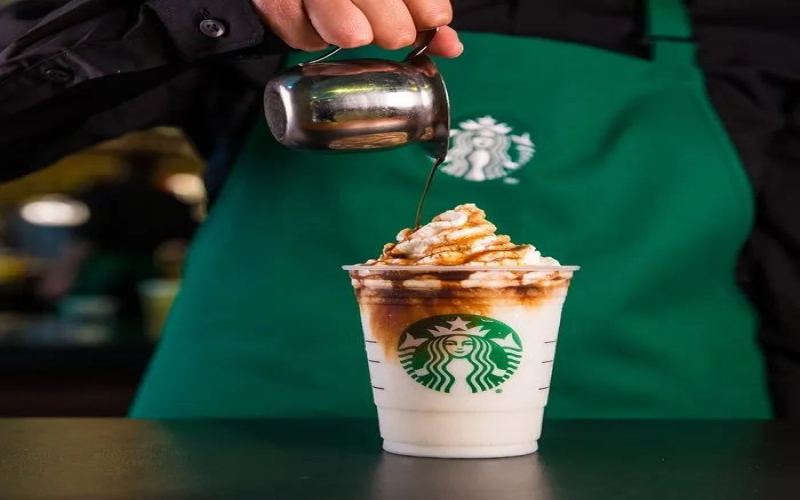
Behind Frappuccino's Sales Supremacy: Starbucks' Loss of Coffee Culture and Automation Dilemma
Professional coffee knowledge exchange For more coffee bean information, please follow Coffee Workshop (WeChat official account cafe_style) For more specialty coffee beans, please add the private WeChat of Front Street Coffee (FrontStreet Coffee), WeChat ID: qjcoffeex When cold drinks account for more than 70% of Starbucks sales, this brand built on espresso is undergoing an identity crisis. Howard announced at an investor briefing the launch of the Siren System automated equipment, compressing the making of a Mocha Frappuccino to 36 seconds and 13 steps—the other side of improved efficiency is the reduction of opportunities for baristas to interact with customers, as well as partners' concerns about the increasingly diluted coffee culture. From the rise of Frappuccino to the innovation of cold brew, from the emergence of delivery scenarios to the taste preferences of millennials, Starbucks is standing at the crossroads of efficiency and experience. [more…]
A Complete Guide to Starbucks' Popular Coffee Drinks: Brewing Secrets and Rankings from Lattes to Cold Brew
Starbucks' menu is dazzlingly diverse—which coffee is truly worth trying? This article rounds up the ten most popular Starbucks coffee drinks, from the classic Americano and Latte to the Flat White and Cold Brew, with a detailed breakdown of their crafting methods and flavor profiles. Whether you're looking to find the cup that best suits your taste or want to recreate the same drink at home, Front Street Coffee has practical tips and bean recommendations ready for you. Let's explore the charm of Starbucks coffee together! [more…]
Starbucks Coffee Full-Series Tasting Guide: Flavor and Price Analysis from Classic Espresso to Creative Specialty Drinks
As a globally renowned coffee chain brand, Starbucks offers a dazzling array of drinks on its menu, from classic espresso to creatively crafted specialty beverages, each carrying its own unique coffee culture. This article will systematically outline the complete range of Starbucks coffee types, covering classics such as cappuccino, latte, Americano, mocha, and caramel macchiato, as well as the iced drink series and creative products like Frappuccino, while also detailing the general price ranges for each size. In addition, the article delves into the roasting origins of Starbucks coffee beans, the Italian roots of its size terminology, and the personalized options customers can customize, providing coffee enthusiasts with a comprehensive and practical ordering reference. [more…]
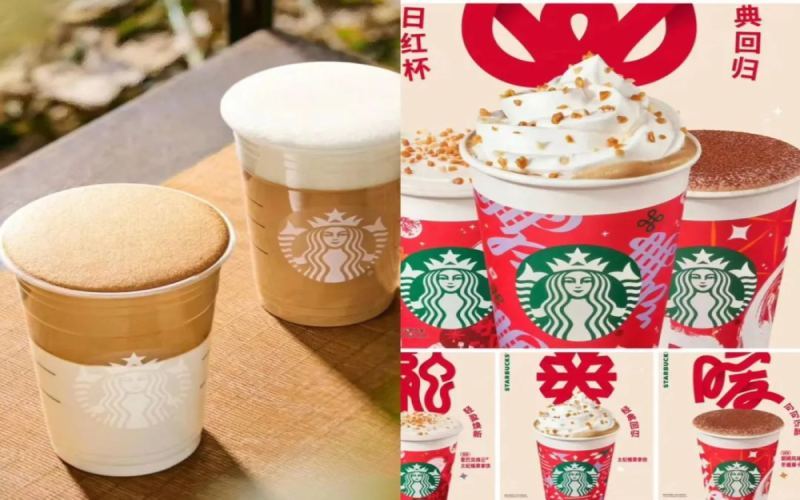
Why are Starbucks delivery drinks often not filled to the top? The company advises drinking them as soon as possible, while consumers are calling for greater consistency in product quality.
Recently, there have been many complaints on social media about Starbucks delivery drinks not being filled to the top, involving the Mousse Espresso series, drinks with cream on top, and some hot beverages. Images shared by netizens show that upon delivery, the liquid level is noticeably lower than in-store offerings. A customer used a buy-one-get-one coupon to purchase two Rum Mousse Espresso Lattes, and one of them was not full. Customer service only compensated with a 10-yuan delivery coupon. Starbucks officially explains that the top of the Cloud Macchiato series is made by whipping light cream with milk, while the Mousse Espresso series involves whipping espresso into a mousse texture. For these drinks, the milk foam or coffee foam dissipates over time, and the ordering interface also reminds customers to drink them promptly. Consumers hope the official will pay attention to the consistency between delivery and in-store offerings, or consider not listing such drinks on delivery platforms. Front Street Coffee continues to monitor coffee industry trends and brings you professional insights. [more…]
Starbucks Faces Class Action Lawsuit Over Fruit Beverage Ingredient Controversy, Brand Naming and Actual Ingredients Draw Scrutiny
Starbucks' fruit cold drink series recently faced a class action lawsuit in New York, where a Queens consumer alleged that the product names imply the inclusion of specific fruits, while they are actually mainly composed of water, concentrated grape juice, and sugar. The lawsuit argues that the product naming constitutes an "implied promise" about the ingredients, violating New York regulations that prohibit fraud and false advertising. The products involved include the Mango Dragonfruit, Pineapple Passionfruit, Strawberry Acai series, among others, with the disputed amount exceeding $5 million. Starbucks headquarters stated it has not yet received the lawsuit and declined to comment for now. The incident has sparked widespread discussion about the authenticity of beverage labeling and consumer expectations. Front Street Coffee continues to monitor trends in the coffee and beverage industry, providing professional information for enthusiasts. [more…]